Our multidisciplinary expertise is purpose-built for federal finance and relies on methods spanning advanced analytics, technology, research, and knowledge transfer.
Explore insights, research, and conversations on federal finance, loans, and grants, informed by Summit’s experience turning complex data into practical decisions.
Meet the people behind Summit and discover how our expertise, curiosity, and commitment to rigorous analysis shape our work and client relationships.
October 27, 2014 •Anthony Curcio
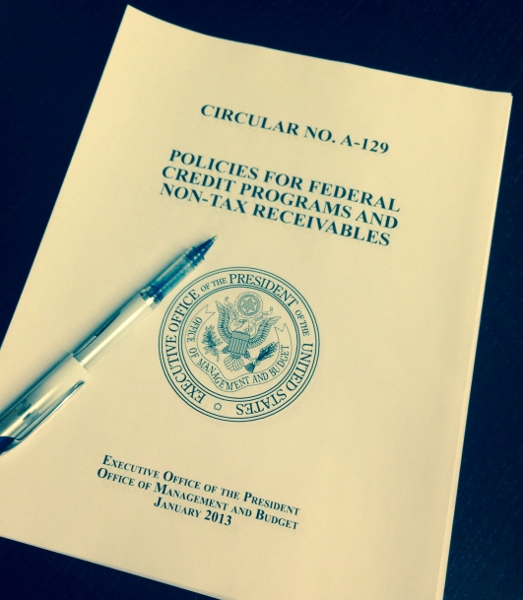
 A big change could be coming to the Federal Credit industry. The Budget and Accounting Transparency Act of 2014, currently known in the House as H.R. 1872, was introduced in May 2013 and would revise the discount rates used in credit subsidy estimation. This could have huge implications for the way agencies measure the cost of lending money.
Currently, Treasury discount rates are used to measure the cost of Federal lending. If this proposed change becomes law, credit subsidy would use market discount rates instead, which could mean big changes in the cost of Federal lending. Loan programs--the cost of which has been stable for many years--could suddenly become much more expensive. Further, the models used to measure the cost of Federal lending may need substantial revision to recognize market rates.
This bill could gain traction in the next 6 months to a year. For now, we are monitoring its progress in the House and Senate. If it becomes law, Federal agencies will need to reevaluate their cost modeling processes to account for these new rules.
To prepare for these types of legislative changes, Summit’s Federal Credit Modeling & Forecasting team monitors legislation and develops new techniques to assist agencies in compliance efforts. This allows us the ability to make technical reforms to these complex models as soon as requested. Changes such as these can move quickly depending on the political situation in Congress, so it’s best to be ahead of the curve.